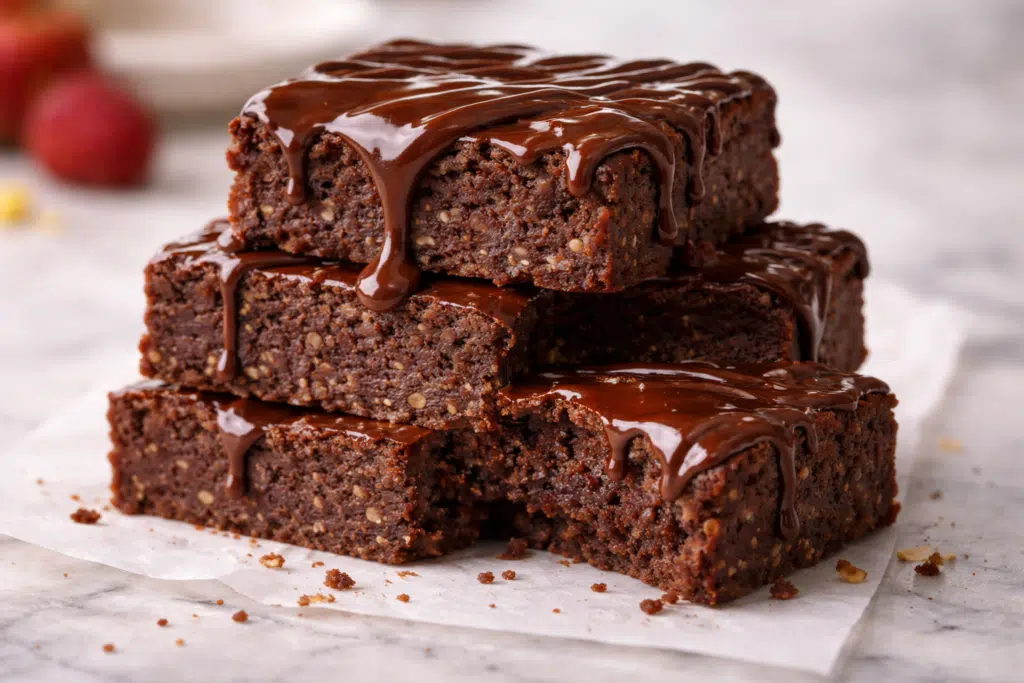
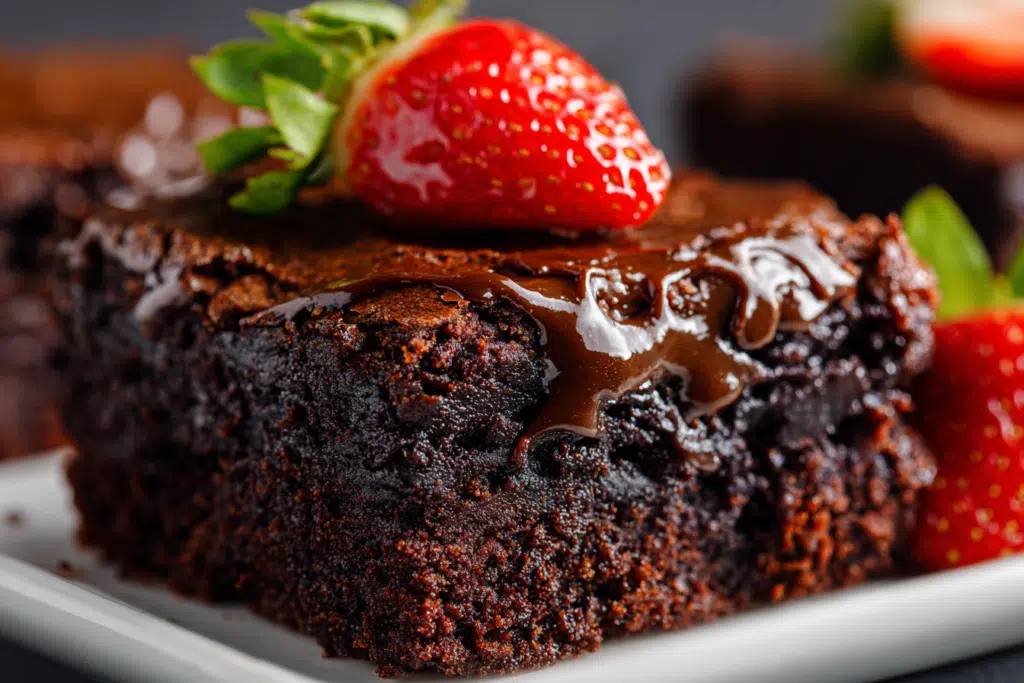
Spring always wakes up my pastry brain, and this Mini Lemon Tart with Lilac Meringue : Spring Dessert is exactly the kind of project that makes the season feel real. Picture a crisp, buttery shell that snaps gently under your fork, a silky lemon filling that walks the line between bright and mellow, and a lilac scented meringue that smells like a garden after rain. The value here is not just flavor, but scale. These are individual tarts, so you get neat portions, faster chilling, and a dessert that looks restaurant level without restaurant drama.
In the sections that follow, I will walk through the ingredients that matter most and what they actually do for you in the pan. You will see how to balance the lemon so it tastes fresh and sharp without turning your mouth inside out, how to coax floral notes from lilac without making the meringue taste like soap, and which pantry swaps still give good results. The method section will read like a calm checklist, from blind baking the shells to whipping glossy peaks and torching or broiling them safely. Then we will finish with make ahead, storage, and serving tips, including how far in advance you can bake the shells, when to fill and top them, and how to plate these mini tarts so they hold their shape on the table and on the plate.
Why You Will Love Mini Lemon Tart with Lilac Meringue : Spring Dessert
This Mini Lemon Tart with Lilac Meringue : Spring Dessert brings together three things that always impress guests: a crisp buttery shell, a silky sharp lemon curd, and a softly perfumed lilac meringue that looks like a cloud on top. The lemon filling has a clean, bright tang that cuts through the sweetness, so each bite feels fresh rather than heavy. The lilac note stays gentle and floral, more like the scent of a spring garden than a bottle of perfume. Because they bake in individual tins, these mini tarts feel special on the plate, but they eat easily with a fork and do not collapse when you cut into them.
From a cook’s point of view, this recipe gives you structure and flexibility. You can make the tart shells and lemon curd a day ahead, then whip and torch the lilac meringue just before serving, which spreads out the work and keeps your kitchen calm. The crust uses straightforward pantry ingredients, yet it bakes up with clean edges and a tender snap that holds its shape on a buffet table. The lemon curd cooks on the stove in under 10 minutes, thick enough to mound on a spoon, and it sets in the fridge without turning rubbery or weeping. If you cannot find food safe lilac, you can use a floral extract or a light honey and vanilla mix for a similar soft, spring like aroma.
In terms of texture, this Mini Lemon Tart with Lilac Meringue : Spring Dessert gives you contrast in every layer. The base is crisp and sandy, the curd is smooth and lush, and the meringue is fluffy with a faint chew at the edge once you torch or bake the tips. The flavors stay balanced, so the floral meringue supports the lemon instead of competing with it, which makes the tarts work for adults who dislike very sweet desserts. They plate beautifully for brunch, showers, or a simple Sunday lunch, and you can scale the recipe to make a dozen bite size pieces or a few larger minis without changing the core method. Once you know this formula, you can swap the citrus or the floral accent with the seasons and keep the same reliable, polished result.
Ingredients and Flavor Notes
For this Mini Lemon Tart with Lilac Meringue : Spring Dessert, start with a simple, buttery tart shell. Use all purpose flour, cold unsalted butter, a pinch of sugar, and just enough egg yolk or cold water to bring the dough together. The butter gives you that short, tender crumb that snaps gently rather than crumbling into sand. A little sugar in the crust helps it brown and adds a quiet sweetness that supports the sharp lemon filling. If you need a swap, use a good quality store bought tart shell and warm it in the oven for a few minutes, so it tastes fresher and less chalky.
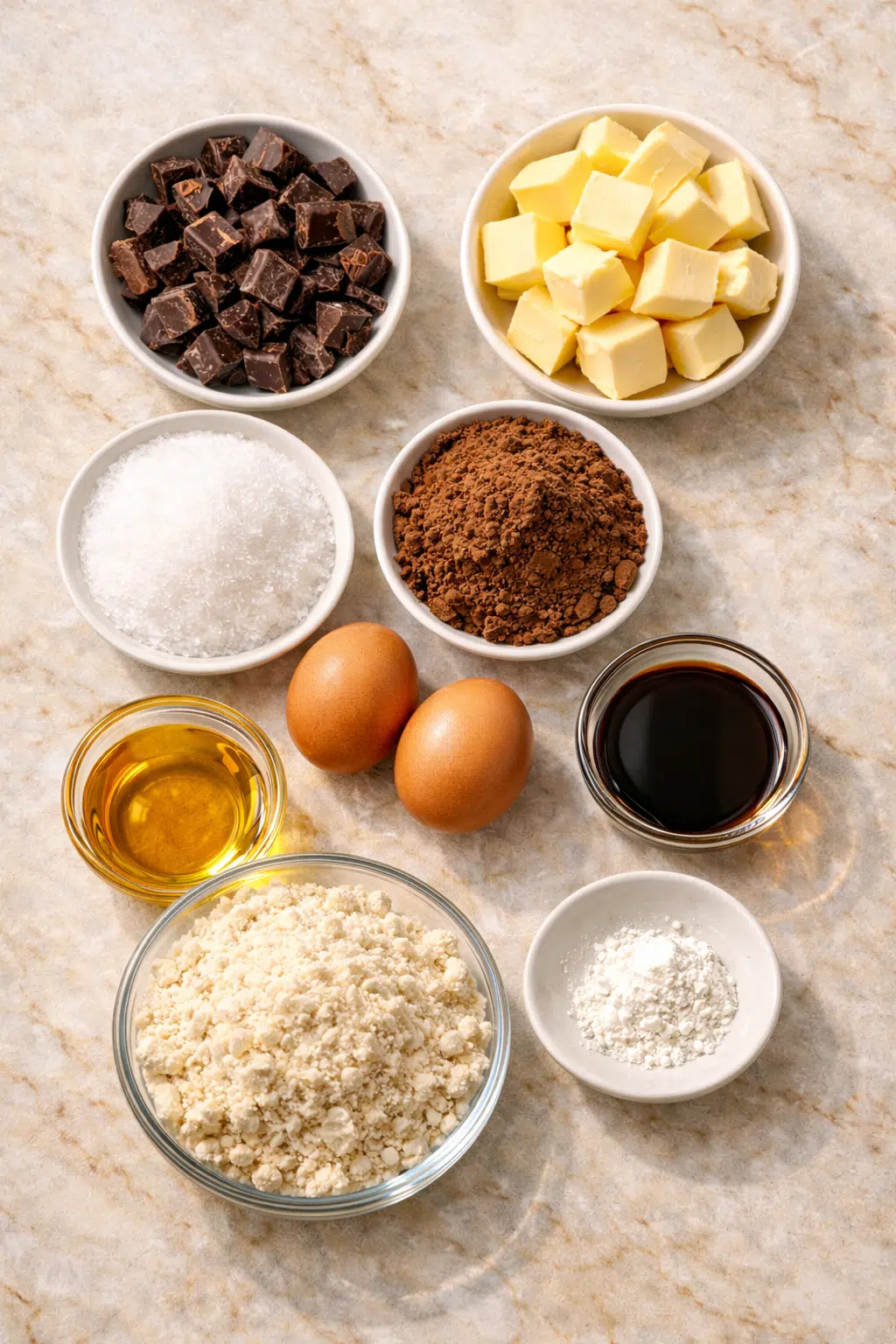
The lemon filling carries the heart of this Mini Lemon Tart with Lilac Meringue : Spring Dessert, so choose bright, heavy lemons that feel full of juice. You will use both zest and juice. The zest brings floral, almost oily citrus perfume, while the juice gives the clean, sharp acidity. Egg yolks thicken the curd and add a silky, custard like texture, and sugar softens the sour edge without turning it into lemon candy. A knob of butter whisked in at the end makes the curd glossy and smooth, and a pinch of salt keeps the lemon flavor from tasting flat.
The lilac meringue is where this Mini Lemon Tart with Lilac Meringue : Spring Dessert turns from classic to spring showpiece. Use very fresh egg whites at room temperature, fine sugar, and a clean, grease free bowl, or the whites will refuse to whip properly. Lilac flavor usually comes from food grade lilac syrup or a carefully strained lilac infusion, which gives a gentle floral note that sits on top of the lemon without tasting like soap. Add the syrup gradually and taste as you go, since floral flavors can jump from delicate to perfume counter in a heartbeat. A touch of cream of tartar or a few drops of lemon juice stabilizes the meringue, and you can finish with a few tiny lilac blossoms or lemon zest curls for a soft, fragrant garnish.
How to Make Mini Lemon Tart with Lilac Meringue : Spring Dessert
Start with the crust so it can chill while you mix the filling. Rub cold butter into flour, sugar, and a pinch of salt until the mixture looks like coarse sand, then drizzle in just enough ice water for it to clump when squeezed. Press the dough gently into mini tart tins, keeping an even thickness on the base and sides, and chill for at least 30 minutes so the shells do not slump in the oven. Dock the bases with a fork, line with small pieces of parchment, and fill with baking beans or rice. Blind bake at a moderate heat until the edges turn light gold, then remove the weights and bake a few minutes more so the bottoms dry out and stay crisp under the lemon filling.
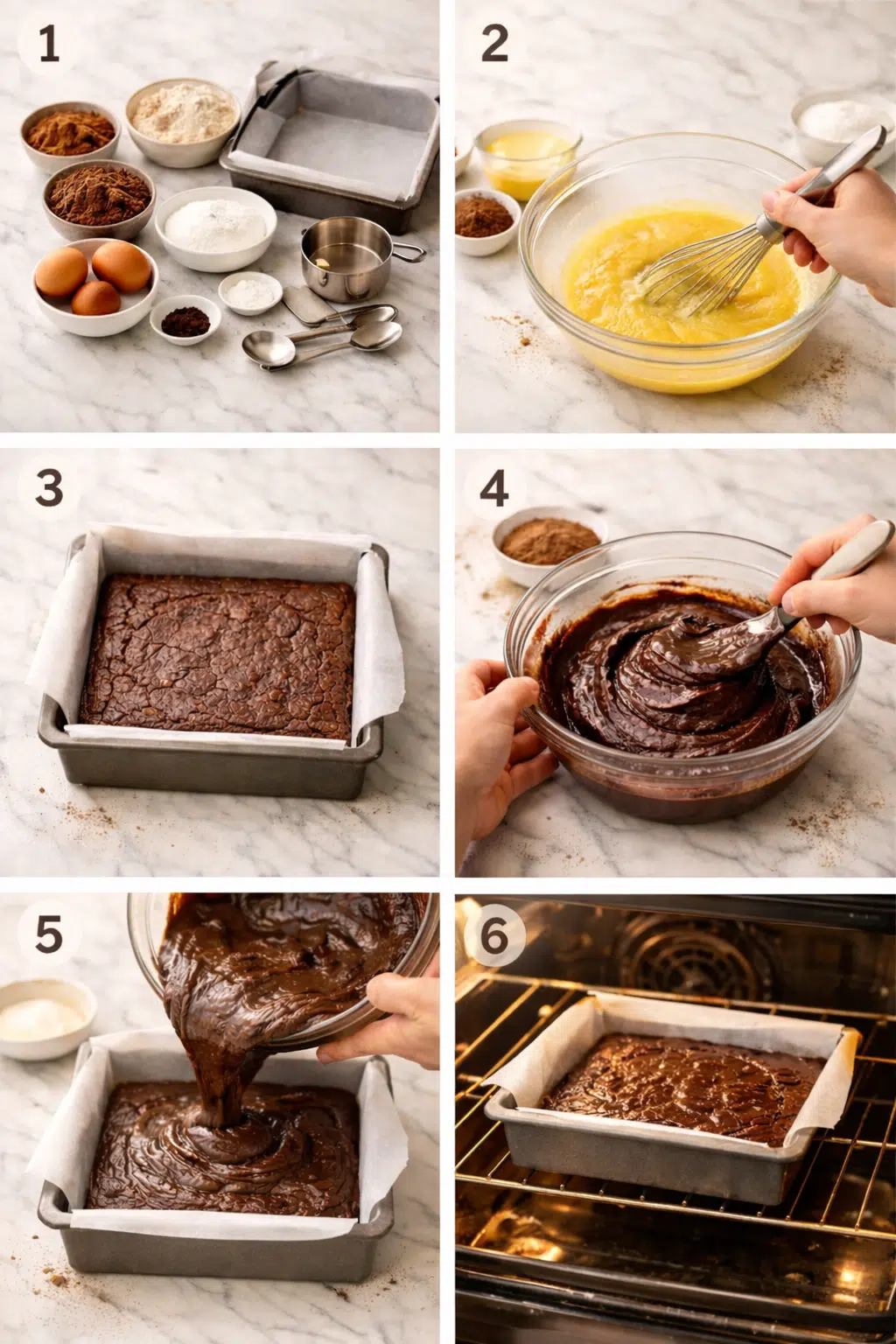
While the shells cool, whisk eggs, sugar, lemon juice, and finely grated zest in a saucepan, then cook over low heat, stirring constantly, until the curd thickens and coats the back of a spoon. Take it off the heat and whisk in soft butter a few cubes at a time for a glossy, smooth texture. Taste and adjust with a little extra zest if you want a sharper lemon note, since the lilac meringue will add gentle sweetness. Strain the curd into a jug to catch any cooked egg bits, then pour it into the cooled tart shells almost to the rim. Chill the filled tarts until the lemon layer is set and no longer wobbly in the center.
For the lilac meringue, make sure your bowl and whisk are spotless and dry, or the whites will not whip properly. Warm egg whites and sugar together over a gentle bain marie, stirring, until the sugar dissolves and the mixture feels hot to the touch, then whip on high speed until thick, glossy peaks form and the bowl feels cool. Fold in a tiny drop of violet or lilac extract and, if you like, a hint of purple gel color for a soft spring hue, taking care not to deflate the meringue. Spoon or pipe generous swirls over the chilled lemon tarts, leaving a narrow golden edge of curd showing. Torch the tops lightly until the tips turn toasty and fragrant, then let the Mini Lemon Tart with Lilac Meringue : Spring Dessert stand a few minutes so the meringue sets before serving.
Make-Ahead, Storage, and Serving Tips
For a smooth schedule, treat this Mini Lemon Tart with Lilac Meringue : Spring Dessert as a 2 day project. On day one, bake the tart shells and cook the lemon curd, then chill both completely. Keep shells in an airtight tin at room temperature, and press a bit of parchment between layers so they stay crisp. Store the lemon curd in the fridge with plastic wrap pressed directly on the surface to prevent a skin. Assemble and torch or bake the lilac meringue on the day you plan to serve, so the texture stays light and the lilac aroma stays fresh.
If the lemon curd seems loose, chill it longer before filling the shells, since it thickens as it cools. A weeping or grainy meringue usually means sugar did not fully dissolve, so whisk the whites and sugar over a gentle bain marie until you can no longer feel grains between your fingers. If the meringue deflates, you may have over mixed after it reached stiff peaks, so stop as soon as it stands up with a slight curl. Humidity also matters, so avoid making the lilac meringue on a very damp day if you can, or keep tarts chilled until just before serving. For a softer look, pipe loose swirls, and for a neater bakery finish, use a star tip and hold the bag straight up.
You can customize this Mini Lemon Tart with Lilac Meringue : Spring Dessert by swapping part of the lemon juice for Meyer lemon or grapefruit for a rounder citrus note. If you do not have lilac syrup or blossoms, infuse the sugar for the meringue with a few sprigs of lilac, then sift them out, or use a floral honey and a tiny drop of food grade lavender extract. The filled, unmeringued tarts keep in the fridge for up to 2 days, tightly covered, and the shells alone keep for about 4 days. Once topped with lilac meringue, store them in the fridge and serve within 6 to 8 hours for the best contrast of crisp shell, silky curd, and fluffy top. Bring the tarts out 15 minutes before serving, then garnish with a few fresh lilac petals or thin lemon zest strips right at the table.
FAQ
-
Can I make the Mini Lemon Tart with Lilac Meringue : Spring Dessert ahead of time?
You can bake the tart shells and cook the lemon filling up to 2 days ahead, then store both covered in the fridge. Fill the shells with chilled lemon curd the day you plan to serve, so the crust stays crisp. Make the lilac meringue no more than 4 hours before serving, then pipe and torch it just before guests arrive. If you need more time, keep the filled but unmeringued tarts chilled, then add and toast the meringue at the last minute for the best texture. -
What if I cannot find edible lilacs for the meringue?
If you cannot source unsprayed edible lilacs, use a floral extract such as violet or elderflower, added a drop at a time. The Mini Lemon Tart with Lilac Meringue : Spring Dessert should taste gently floral, never like soap, so always start with less. You can also infuse a few clean lilac blossoms in sugar overnight, then strain them out and use the sugar in the meringue. In a pinch, skip the floral note and add a little lemon zest for a bright, simple finish. -
How do I keep the tart crust from getting soggy?
Blind bake the mini tart shells fully until they are deep golden at the edges, not pale blond. While still warm, you can brush the inside lightly with beaten egg white to create a thin seal. Let the lemon filling cool and thicken slightly before spooning it in, rather than pouring it in hot and runny. Store the Mini Lemon Tart with Lilac Meringue : Spring Dessert uncovered in the fridge for the first hour so excess moisture can escape. -
Can I use a different citrus in this recipe?
Yes, you can swap part of the lemon juice for lime, grapefruit, or blood orange, as long as you keep the total liquid amount the same. Taste the curd before it sets, and adjust with a spoonful of extra sugar if you use a more bitter citrus. Lemon gives the cleanest snap under the lilac meringue, but mixed citrus can make a lovely, layered spring dessert. Just keep the acidity bright, so the floral meringue does not taste flat or overly sweet.
Conclusion
Mini Lemon Tart with Lilac Meringue : Spring Dessert brings together bright citrus, delicate floral notes, and a crisp, buttery shell in a way that feels both fresh and comforting. The strongest pieces of this recipe are simple technique and patience. Chill the dough so it bakes cleanly, cook the lemon curd low and slow so it stays silky, and whip the lilac meringue to glossy peaks so it holds its shape. Small choices, like straining the curd and toasting the meringue just to light gold, make the difference between “good” and “I should have made a double batch.”
This Mini Lemon Tart with Lilac Meringue : Spring Dessert also teaches you how to layer flavor without clutter. The lemon keeps things sharp, the lilac stays gentle, and the mini size makes serving easy, whether you plate one per guest or arrange them on a big platter. Once you have the base recipe, you can swap herbs, play with citrus, or change the garnish to match the season. In the end, you get a spring dessert that looks thoughtful, tastes bright, and invites people back to the table for one more bite.
Recipe
Mini Lemon Tart with Lilac Meringue : Spring Dessert
Ingredients
- 1 1/4 cups all-purpose flour
- 1/4 cup granulated sugar
- 1/4 teaspoon fine sea salt
- 1/2 cup 1 stick cold unsalted butter, cut into small cubes
- 1 large egg yolk
- 2 –3 tablespoons ice-cold water as needed
- 1/2 cup fresh lemon juice about 3–4 lemons
- 2 teaspoons finely grated lemon zest
- 1/2 cup granulated sugar for lemon curd
- 4 large egg yolks for lemon curd
- 4 tablespoons unsalted butter cut into pieces (for lemon curd)
- Pinch of fine sea salt for lemon curd
- 3 large egg whites at room temperature
- 3/4 cup granulated sugar for meringue
- 1/4 teaspoon cream of tartar
- 2 –3 tablespoons food-grade lilac syrup or strained lilac infusion to taste
- 1/2 teaspoon pure vanilla extract optional, for meringue
Instructions
- In a mixing bowl, whisk together the flour, 1/4 cup sugar, and 1/4 teaspoon salt. Cut in the cold butter with a pastry cutter or your fingertips until the mixture looks like coarse crumbs with pea-sized bits of butter.
- Stir in the egg yolk, then add ice water 1 tablespoon at a time, tossing gently, just until the dough holds together when pressed. Do not overwork.
- Turn the dough onto a lightly floured surface, press into a disk, wrap in plastic, and chill for 30 minutes.
- Preheat the oven to 375°F. Lightly grease 8 mini tart pans (about 3–4 inches each).
- Divide the chilled dough into 8 equal pieces. Press each piece evenly into the bottom and sides of the tart pans, trimming any excess. Prick the bases with a fork.
- Line each shell with a small piece of parchment and fill with pie weights or dried beans. Blind bake for 10–12 minutes, then remove parchment and weights and bake 5–8 minutes more, until lightly golden. Cool completely on a rack.
- While the shells cool, make the lemon curd. In a heatproof bowl, whisk together lemon juice, lemon zest, 1/2 cup sugar, 4 egg yolks, and a pinch of salt.
- Set the bowl over a saucepan of gently simmering water (double boiler), whisking constantly until the mixture thickens enough to coat the back of a spoon, 6–10 minutes.
- Remove from heat and whisk in the 4 tablespoons butter, a few pieces at a time, until smooth and glossy. Strain through a fine mesh sieve into a clean bowl to remove zest and any cooked egg bits.
- Let the lemon curd cool slightly, then spoon or pipe it into the cooled tart shells, filling almost to the top. Chill the filled tarts for at least 45–60 minutes to set.
- For the lilac meringue, place the egg whites in a clean, grease-free mixing bowl. Add cream of tartar.
- Beat the egg whites on medium speed until foamy, then gradually add the 3/4 cup sugar in a slow stream, increasing speed to medium-high.
- Continue beating until stiff, glossy peaks form and the sugar is fully dissolved. Beat in lilac syrup or infusion, 1 tablespoon at a time, tasting as you go, and add vanilla if using.
- Spoon or pipe the lilac meringue in swirls on top of the chilled lemon tarts, piling it high for a cloud-like effect.
- Using a kitchen torch, lightly toast the tips and ridges of the meringue until golden. Alternatively, place the tarts under a preheated broiler for 30–60 seconds, watching constantly, until lightly browned.
- Serve the tarts soon after topping with meringue, or chill for up to a few hours before serving.
Notes
For a gentler floral note, start with less lilac syrup and increase gradually; the flavor should support the lemon, not overpower it.
The tart shells and lemon curd can be made a day ahead; add and toast the meringue just before serving for the best texture.
If you cannot find food-safe lilac, use a mild floral extract or a mix of light honey and vanilla for a similar spring-like aroma.