A good shortbread cookie doesn’t need much—just enough butter to smell like a bakery the second it hits the oven, and enough powdered sugar to melt into that sandy, delicate crumb. This version is exactly that: simple, dependable, and the kind of cookie you can dress up with a pretty cutter and still have it taste like something you’d sneak straight off the cooling rack.
The dough comes together fast in a stand mixer and looks crumbly at first (don’t panic). Once you squeeze it, it holds like soft clay. Roll it between parchment, cut clean shapes, and bake just until the bottoms barely turn golden. If you like shortbread that’s crisp at the edges but tender through the middle, this is the batch to make—especially if you’ve been eyeing flavors like my black raspberry and lemon shortbread and want a solid base recipe first.
Why You’ll Love This Recipe
- Only 4 ingredients, and each one earns its place—especially the powdered sugar, which keeps the crumb extra fine and smooth.
- A true shortbread texture: the dough looks like loose crumbs in the bowl, but bakes into crisp-edged, tender cookies.
- Clean, classic flavor from butter + a small hit of vanilla (not overly sweet, just right).
- Rolls beautifully between parchment so you don’t have to fight sticking or add extra flour.
- Bakes quickly at 325°F and gives you a clear doneness cue: bottoms just barely golden.
- Great for shapes: 3-inch circles look polished, but any cutter works if you keep the thickness even.
The Story Behind This Recipe
I built this shortbread to be the “quiet workhorse” cookie—simple enough for a random weeknight bake, but neat and tidy enough to plate with coffee or tuck into a cookie box (and it’s the same style of dough I reach for before making something like strawberry shortbread cookies).
What It Tastes Like
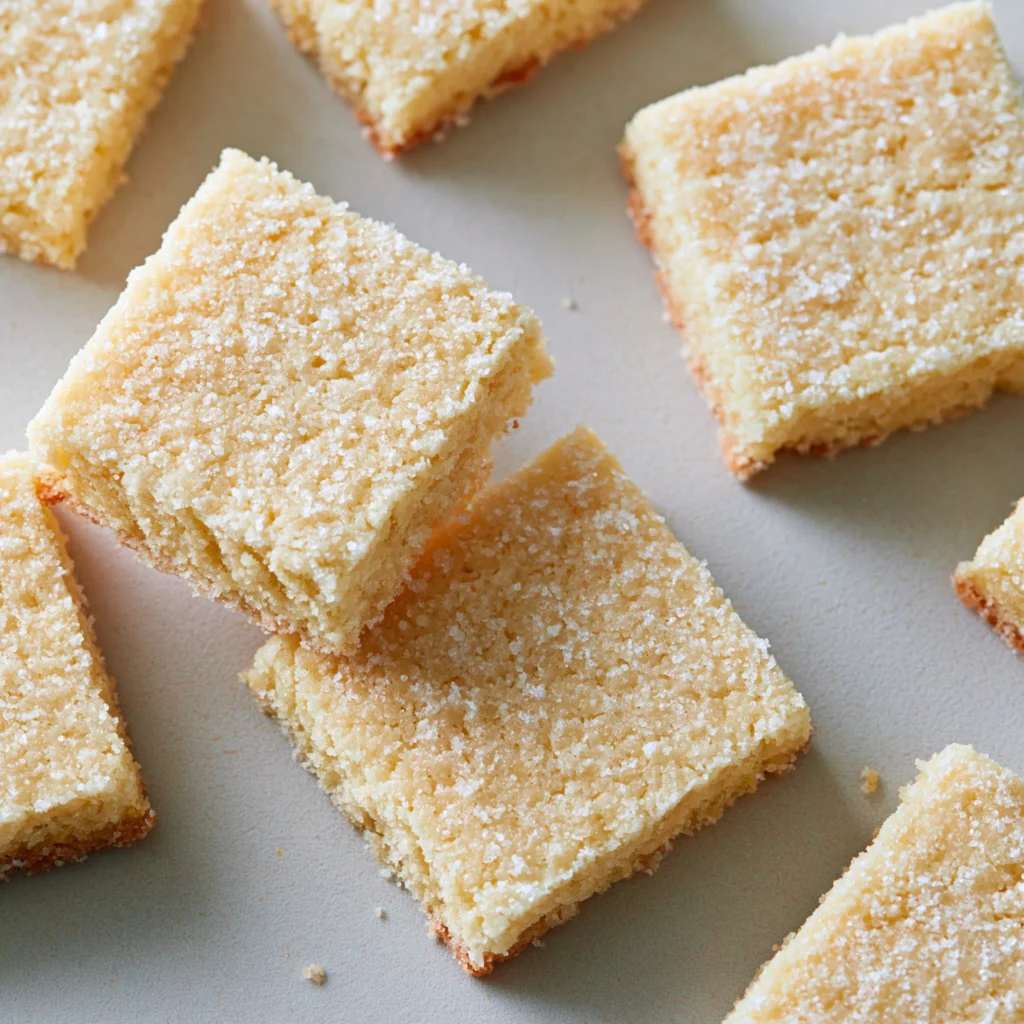
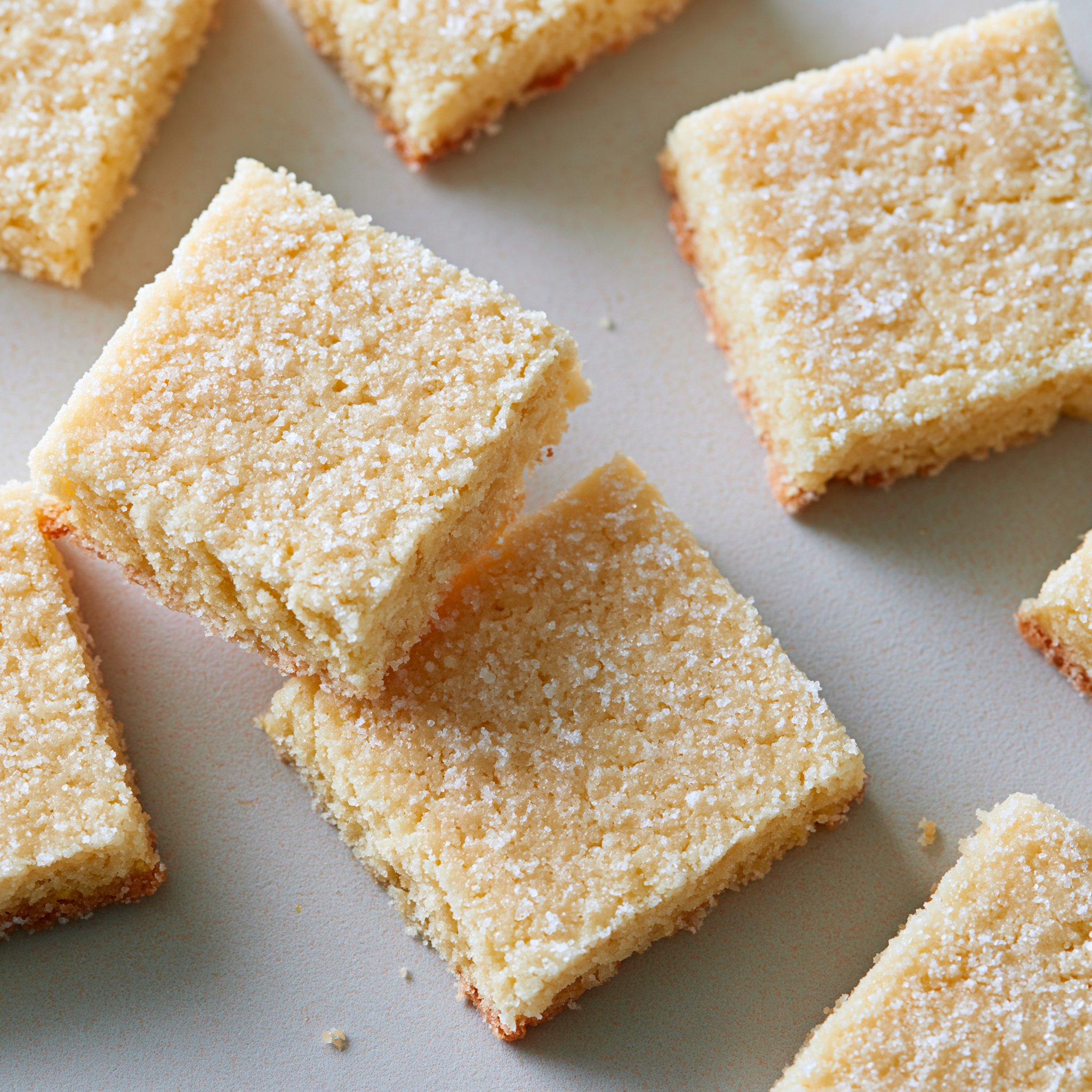
These cookies taste buttery first, with a soft vanilla aroma when they’re warm. The sweetness is gentle (powdered sugar sweet, not granulated-sugar sharp), and the texture is the real payoff: a delicate, sandy bite that breaks cleanly but isn’t dry if you pull them when the bottoms are only lightly golden.
Ingredients You’ll Need
This is a minimalist shortbread, so ingredient quality shows. Softened butter is what gives you that rich, smooth dough without overworking it, and powdered sugar dissolves quickly for a finer crumb than granulated. Vanilla stays subtle—just enough to round out the butter. For the flour, take a moment to fluff it before measuring so you don’t pack in too much and end up with a stiff dough (if you love a quick, simple cookie lineup, you might also like my 3-ingredient sugar cookies for an even faster option).
- 1 cup butter (softened)
- 3/4 cup powdered sugar
- 1/2 teaspoon vanilla extract
- 2 cups all purpose flour
How to Make Shortbread Cookies
- Prep the oven and pans. Preheat your oven to 325°F. Line two lightly colored baking sheets with parchment paper. (Light pans help you avoid over-browned bottoms.)
- Mix the dough (expect it to look crumbly). In the bowl of a stand mixer, add the softened butter, powdered sugar, vanilla extract, and all-purpose flour. Before measuring flour, fluff it so you don’t accidentally add extra. Mix on a low speed until the mixture looks like coarse crumbs.
- Check the texture with your hands. The dough won’t look like a classic “cookie dough ball” in the mixer—and that’s normal. Grab a small handful and squeeze: it should hold together and feel like damp sand that packs.
- Roll it out evenly. Gather the dough into a ball, then roll it between two sheets of parchment paper to about 1/3 to 1/2-inch thick. Aim for an even thickness so the cookies bake at the same pace.
- Cut and place. Cut into 3-inch circles (or your favorite shapes) and transfer to your prepared baking sheets.
- Bake until the bottoms barely color. Bake for 12–15 minutes, watching for the key cue: the bottom edges should be barely golden brown while the tops stay pale.
- Cool in two stages. Let the cookies cool on the hot trays for 5 minutes (they’re fragile right out of the oven), then move them to cooling racks to cool completely.
- Store. Keep in airtight containers for up to 5 days.
Tips for Best Results
- Use truly softened butter. If it’s still cool and firm, the mixture won’t combine evenly and you’ll fight dry patches.
- Stop mixing once it’s crumbly. You’re not looking for a fluffy or smooth batter—shortbread should look like crumbs that clump when pressed.
- Roll between parchment for clean cookies. It keeps the dough from sticking and helps you avoid adding extra flour that can make shortbread taste dusty.
- Bake for “barely golden bottoms,” not browned tops. The tops should stay light; deep color usually means a drier cookie.
- Let them sit 5 minutes on the tray. This shortbread firms as it cools, and moving it too soon can cause cracking.
Variations and Substitutions
- Change the shape: Keep the thickness in the 1/3–1/2 inch range whether you’re doing circles, squares, or cut-outs.
- Play with the vanilla level (within reason): The recipe uses 1/2 teaspoon for a classic butter-forward cookie; keeping it subtle works best with shortbread’s delicate flavor.
- If you’re looking for a fruit-forward twist using a similar shortbread idea, my strawberry shortbread cookies are a fun direction to go next.
How to Serve It
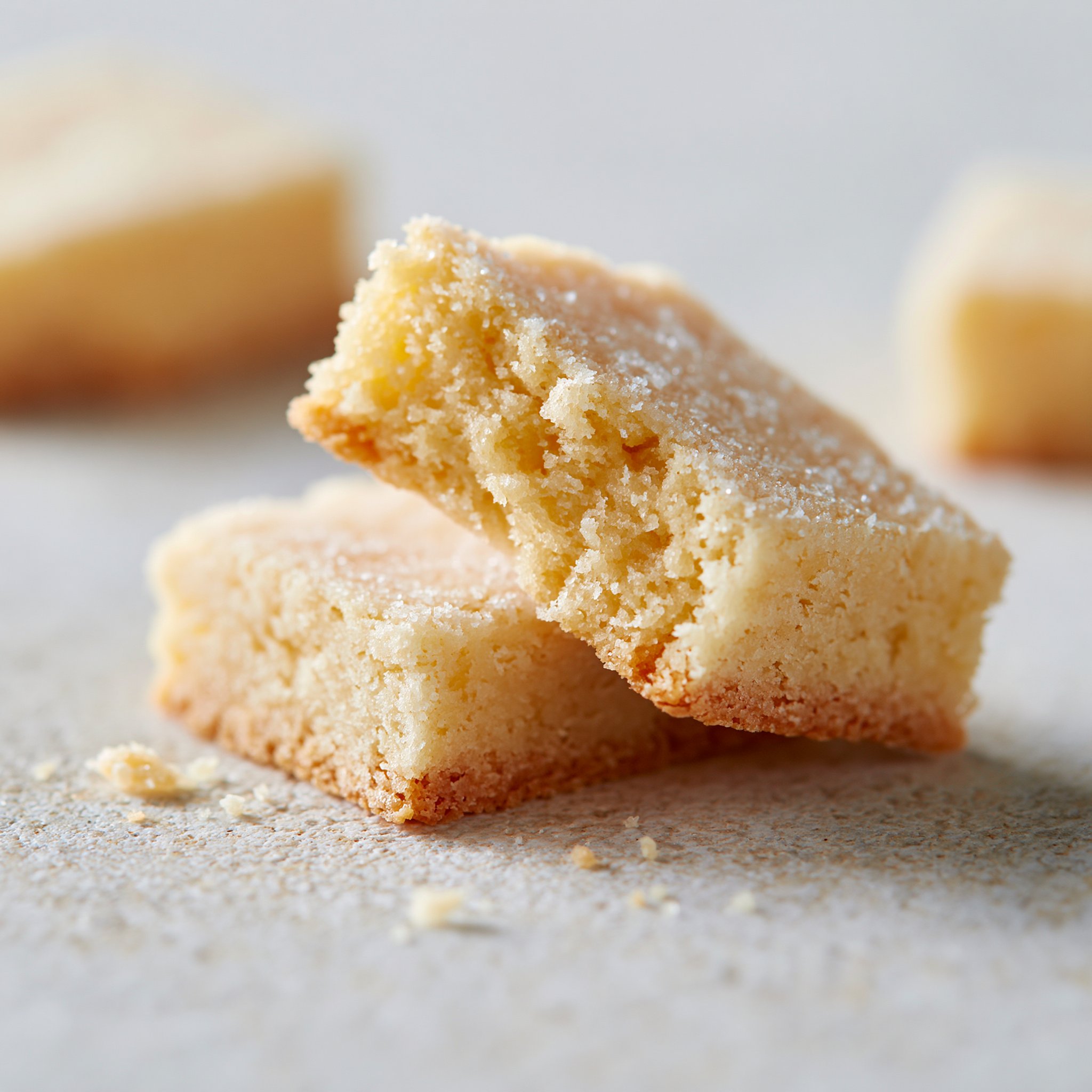
Serve these slightly warm for the most pronounced butter-and-vanilla aroma, or fully cooled for the cleanest snap. I love them with coffee or tea, stacked on a small plate so you can see the tidy edges from the cutter. They also make a great “cookie box” anchor because they’re sturdy once cooled and don’t smear or stick like frosted cookies (if you’re building a mixed tray, something soft like my 3-ingredient funfetti cake mix cookies balances the crisp shortbread nicely).
How to Store It
Store completely cooled cookies in an airtight container at room temperature for up to 5 days. If you’re stacking them, make sure they’re fully cool first so they stay crisp and don’t trap steam.
Final Thoughts
If you’ve ever wanted a shortbread that’s uncomplicated but still feels polished, this is the one—crumbly dough, clean cut-outs, and that barely-golden bottom that tells you the texture will be just right.
Conclusion
If you want to compare shortbread styles and techniques, I also like reading Perfect Shortbread Cookies (tender & buttery), Shortbread Cookies Recipe, and Classic Shortbread Cookies—they’re great references for spotting the small details (like thickness and bake color) that make a big difference.