
Homemade Cooking – Easter Cake Roll
Light, delicate and unexpectedly simple, this Easter Cake Roll is all about a tender sponge that bends without cracking and a filling that brightens every bite. It’s an easy way to make a showstopping centerpiece with just three pantry ingredients for the cake itself — eggs, sugar and vanilla — plus whatever filling you love.
The technique is straightforward: beat the eggs until they’re thick and lemon-colored, bake a thin sheet until just set, and roll it while warm so the sponge remembers its curve. If you enjoy the feather-light crumb of a rolled cake, you might also like the rolling technique used in the strawberry Italian cream pound cake for a different presentation.
Why You’ll Love This Recipe
- Light, flexible sponge: the beaten eggs create a ribbon-like batter that bakes into a pliable sheet perfect for rolling.
- Quick to make: the cake bakes in about 12–15 minutes, so you can assemble the whole thing in under an hour.
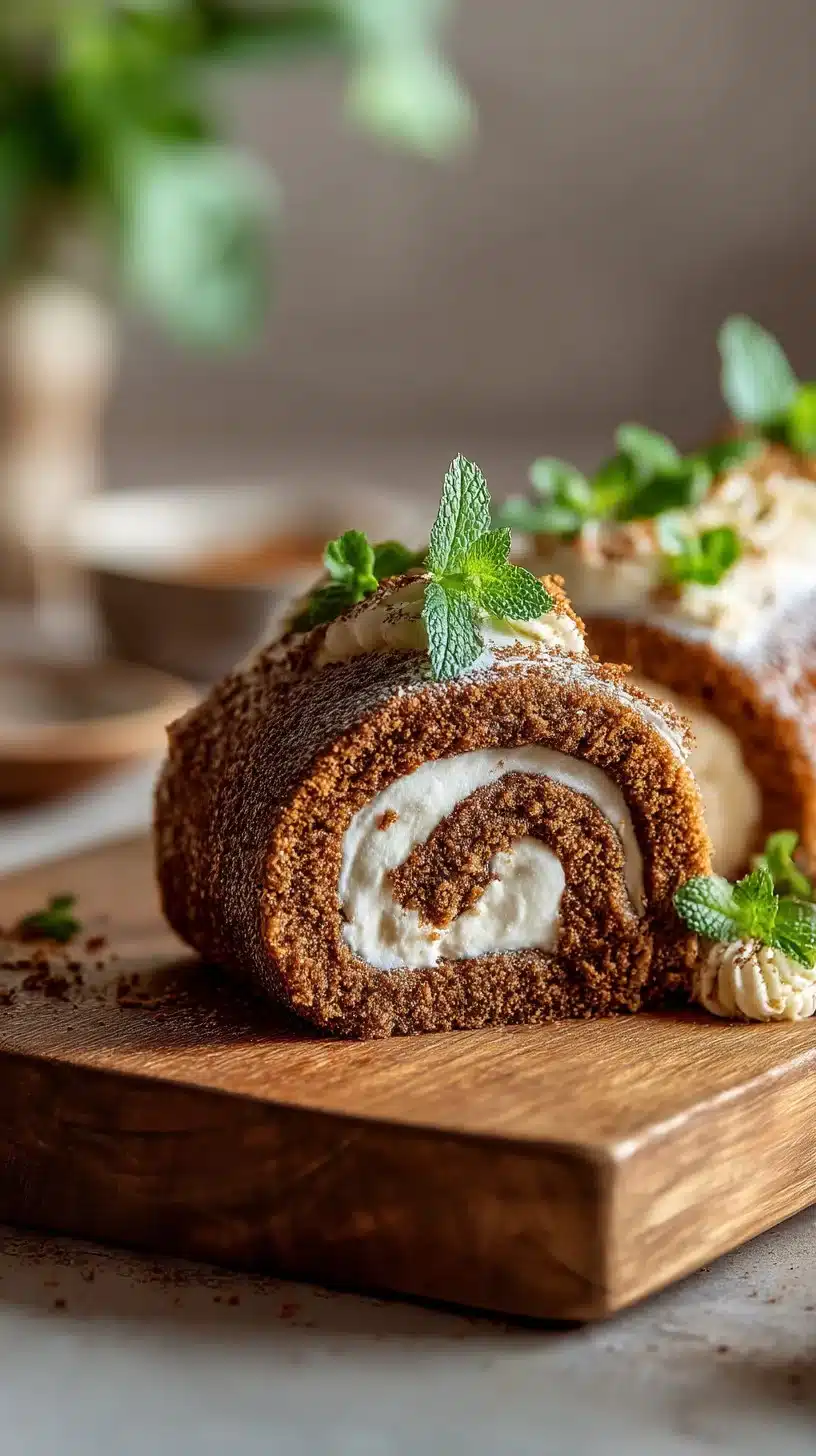
- Crowd-friendly serving: slices show a neat spiral and serve well at brunch or as an Easter dessert.
- Make-ahead friendly: roll it, chill, and the flavors settle overnight for cleaner slices the next day.
- Easy to customize: use a simple whipped cream, jam, or a cream-cheese filling to change the finish.
The Story Behind This Recipe
This is a pared-down sponge roll designed to be fail-proof: no folding of flour, no delicate meringue steps. It leans on technique — beating the eggs well and rolling while warm — rather than a long ingredient list.
What It Tastes Like
Expect a faintly sweet, egg-forward sponge with a clean vanilla aroma and a tender crumb that gives gently under the knife. The thin cake offers a contrast of soft cake and whatever creamy or jammy filling you choose; it’s light rather than rich, letting fillings add the richness or tartness you prefer.
{image_template}
Ingredients You’ll Need
The cake relies on three simple ingredients that each have a specific job: whole eggs are your leavening and structure when beaten until ribbon-like; granulated sugar sweetens and helps stabilize the beaten eggs; vanilla adds aromatic lift. No flour or leavening is listed here, so plan a thin, custard-like batter that bakes into a flexible sheet rather than a tall cake. If you want a spicier riff later, techniques from the pumpkin spice roll cake adapt well to fillings and decorations.
- 3 large eggs
- 3/4 cup granulated sugar
- 1 tsp vanilla extract
How to Make Homemade Cooking – Easter Cake Roll
- Preheat the oven to 375°F (190°C). Line a 15×10-inch (or similar) rimmed baking sheet with parchment and lightly grease the paper so the sponge releases cleanly.
- In a large bowl, beat the eggs on medium-high until they’re thick and lemon-colored — you should see the batter fall back in ribbons that hold their shape for a couple of seconds (about 5–7 minutes with a stand mixer, longer by hand). This is the key to lift and flexibility.
- Gradually add the granulated sugar while continuing to beat; stop once the sugar is incorporated and the mixture is glossy but still holds a loose ribbon. Overbeating until dry will make the sponge fragile.
- Stir in the vanilla extract with a few gentle strokes so the batter keeps its volume. The aroma should smell bright and clear, not flattened.
- Pour the batter onto the prepared baking sheet and spread it evenly with an offset spatula into a thin, uniform layer — aim for roughly 1/4 inch thickness so it bakes through in the time given. Smooth the surface to avoid thick spots.
- Bake about 12–15 minutes until the top is lightly golden and the center is set; the cake should spring back slightly when touched and not jiggle. If edges brown too quickly, tent loosely with foil for the last few minutes.
- Remove from the oven and immediately turn the warm sponge out onto a clean kitchen towel dusted with a little powdered sugar or a second sheet of parchment. Peel off the parchment used for baking. Starting at the short end, roll the cake up with the towel inside (roll snugly but not tight). This trains the sponge to curl and prevents cracks later.
- Let the rolled cake cool completely, about 1 hour at room temperature. Cooling fully while rolled is what keeps the sponge flexible when unrolled for filling.
- Once cool, unroll gently, peel away the towel, and spread your choice of frosting or filling in a thin, even layer leaving a 1/2-inch border. The filling should be spreadable — not runny — so the roll holds shape. For filling inspiration and technique, the method used in the mini egg cheesecake offers ideas for flavor pairings and topping finishes.
- Roll it back up without the towel, wrap tightly in plastic wrap, and chill at least 1 hour to set before slicing; chilling firms the filling and produces cleaner spirals.
Tips for Best Results
- Beat eggs until true ribbon stage: a spoonful should sit on the batter surface for a second before sinking. This is the difference between a sturdy roll and a fragile one.
- Spread batter thin and even: use an offset spatula and tap the pan on the counter to remove air pockets. Uneven thickness causes tears when rolling.
- Roll while warm: do not skip the immediate warm roll — it prevents cracking and is what gives this sponge its flexible memory.
- Keep the filling thin: a heavy filling will push the roll apart; think thin layers of stabilized whipped cream, a light buttercream, or a firm jam.
- Chill before slicing: cold slices cut cleaner. Use a sharp serrated knife and a gentle sawing motion.
Variations and Substitutions
- Vanilla swap: use 1/2 tsp almond extract instead of vanilla for a nutty note — the sponge is delicate, so small swaps go a long way.
- Filling ideas: whipped cream with citrus zest, a thin cream-cheese frosting, or a smooth jam all work; avoid very runny curds unless thickened.
- Make it festive: dust the outside with powdered sugar or pipe a few rosettes; the neutral sponge is a blank canvas for color and texture.
How to Serve It
Slice thinly (about 1/2 inch) to showcase the spiral and keep portions light — the cake is airy and pairs well with fresh berries or a bright fruit coulis. For brunch, place slices on a platter with a few mint leaves; for dessert, add a dollop of whipped cream at the side.
How to Store It
- Room temperature: if unfilled, the rolled sponge keeps 1 day at room temperature in an airtight container.
- Refrigerator: if filled, wrap tightly and refrigerate up to 3 days; bring to near room temperature (15–20 minutes) before serving for softer texture.
- Freezer: wrap slices individually and freeze up to 1 month; thaw in the fridge overnight to maintain shape.

Final Thoughts
Simple ingredients and careful technique make this Easter Cake Roll an approachable dessert that still looks elegant on the table — a tender, flexible sponge and a bright filling are all you need to impress.
Conclusion
For a carrot-based alternative with a how-to video, see the Carrot Cake Roll + Video – Dessert Now Dinner Later, which demonstrates similar rolling tips. If you want a classic Swiss roll styled for Easter decorations, the Easter Swiss Roll – Crunch Time Kitchen has seasonal ideas. For another approachable rolled cake recipe with helpful step photos, check the Easter Cake Roll – Bitz & Giggles.

Easter Cake Roll
Ingredients
Cake Ingredients
- 3 large large eggs Beaten to ribbon stage for best results.
- 3/4 cup granulated sugar Incorporated gradually into the eggs.
- 1 tsp vanilla extract Adds aromatic lift.
Instructions
Preparation
- Preheat the oven to 375°F (190°C). Line a 15x10-inch (or similar) rimmed baking sheet with parchment and lightly grease it.
- In a large bowl, beat the eggs on medium-high until thick and lemon-colored, about 5–7 minutes.
- Gradually add the granulated sugar while continuing to beat until incorporated and glossy.
- Stir in the vanilla extract gently to maintain volume.
- Pour the batter onto the prepared baking sheet and spread evenly to about 1/4 inch thickness.
Baking
- Bake for 12–15 minutes until the top is lightly golden and the center is set.
- Remove from the oven and immediately turn the sponge out onto a kitchen towel dusted with powdered sugar.
- Roll the cake up with the towel starting from the short end and let it cool completely.
Filling and Assembly
- Once cool, unroll gently, spread your filling of choice leaving a 1/2-inch border.
- Roll back up without the towel, wrap tightly in plastic wrap, and chill at least 1 hour before slicing.