The Memory Behind This Treat
The very first time I made Mascarpone Frosting, it wasn’t for a birthday cake or a big celebration. It was for a quiet Sunday afternoon when my mom came over with a box of not-so-pretty strawberries that needed saving. I remember standing in my tiny apartment kitchen, tasting the berries and thinking, “These are sweet, but they need something silky and cloud-like to sit on.” Buttercream felt too heavy, whipped cream felt too fragile. Mascarpone was sitting in the fridge from an abandoned tiramisu plan, so I chilled the bowl, poured in the cream, mascarpone, sugar, and vanilla, and just let the mixer go. When I dipped a spoon in, it was like discovering the middle ground I’d always wanted: rich, but somehow light enough to feel like a secret.
Since then, this mascarpone frosting has become my go-to “emergency fancy” trick. When a plain vanilla cake looks a little sad, I’ll whip up a batch and suddenly it’s worthy of candles and a photo. When fresh berries are at their peak, I’ll pipe this frosting in soft swirls over a simple sponge or even store-bought shortcakes, and the mascarpone gives just enough body to hold the fruit without sliding off. One summer, I used it to top a slightly crooked lemon layer cake for a friend’s backyard wedding; it was humid, the cake leaned a little, but that frosting stayed put and tasted like vanilla-scented clouds. Now, every time I make it, I think of all those “almost failed” desserts it has rescued. It’s the kind of frosting you turn to when you want something simple, reliable, and still a little bit magical.
How To Make It (Mix & Ingredients)
To make this mascarpone frosting, start with your ingredients as cold as possible. Cold cream and cold mascarpone are the secret to a thick, cloud-like texture that pipes beautifully and holds its shape. Measure out your heavy cream, mascarpone, confectioner’s sugar, and vanilla before you begin, because once the mixer starts, this comes together fast. I like to give the sugar a quick sift to keep the frosting smooth and free of little lumps. Add everything straight into the bowl of a stand mixer (or a large mixing bowl if you’re using a hand mixer) so you’re only washing one bowl later.
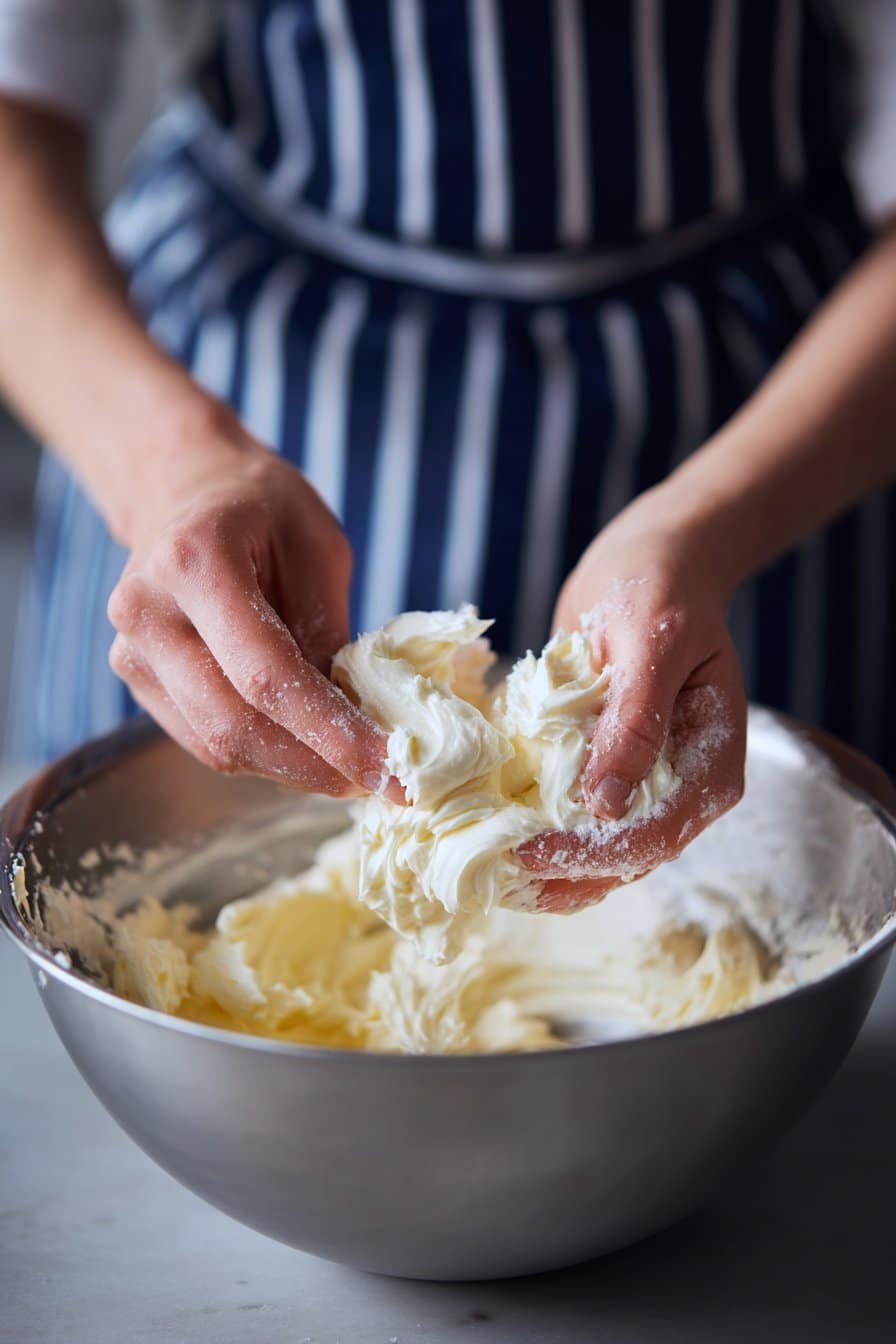
Instructions Process of Mascarpone Frosting
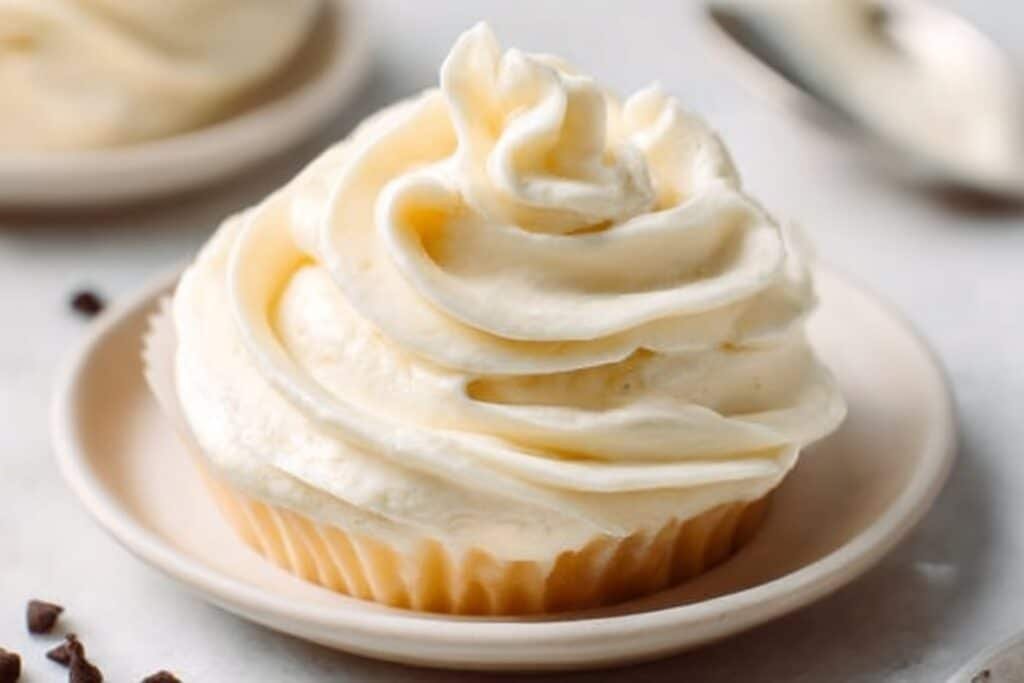
Begin whipping on low speed for 20–30 seconds just to combine, then increase to high speed and let it whip until you see stiff peaks. In most kitchens, this takes about 3–5 minutes, but don’t walk away—this frosting goes from soft to perfect to overwhipped surprisingly quickly. Stop the mixer the moment the frosting looks thick, glossy, and holds a peak that doesn’t droop. If you accidentally take it a step too far and it turns slightly grainy, don’t panic; add a small splash (1–2 tablespoons) of very cold cream and beat on low until it smooths out again. Use your mascarpone frosting right away for frosting cupcakes, filling a small layer cake, or pairing with something fruity and fresh—its light texture shines most when it’s freshly whipped.
Make-Ahead & Storage
Mascarpone Frosting is at its dreamy best when it’s freshly whipped, so I always recommend making it the same day you plan to frost. That said, real life happens—soccer games run late, cakes cool slower than expected, and sometimes you just need a head start. You can make this frosting up to 1 day in advance, then store it covered in the fridge. When you’re ready to use it, give it a gentle stir with a spatula or a very quick whisk on low to bring it back to a silky, spreadable consistency. If it looks a little too stiff, add 1–2 teaspoons of very cold cream and fold it in just until it loosens.
Because this recipe uses fresh cream and mascarpone, treat it like you would whipped cream. Keep any frosted cakes or cupcakes refrigerated, especially if your kitchen runs warm or if you’ve topped them with fresh berries. They’ll hold nicely for about 2–3 days in the fridge; after that, the texture starts to soften and the whipped structure breaks down. For the best look and flavor, let frosted desserts sit at room temperature for about 15–20 minutes before serving so the mascarpone frosting turns creamy and luscious again. I don’t recommend freezing this frosting on its own, but you can sometimes get away with freezing a fully frosted cake if it’s well wrapped—just know the texture may be slightly less airy once thawed.
Best Ingredients & Party Variations
For the very best Mascarpone Frosting, start with full-fat, good-quality mascarpone that’s well chilled. Low‑fat mascarpone tends to split or turn watery, especially when you whip it with cream. Use heavy cream that’s at least 36% fat and make sure it’s straight from the fridge; warm cream just won’t whip up into those dreamy, stiff peaks. I also recommend confectioner’s sugar instead of granulated—its fine texture keeps your frosting smooth and cloudlike. Vanilla bean paste adds those pretty specks and deeper flavor, but vanilla extract works in a pinch if that’s what you have.
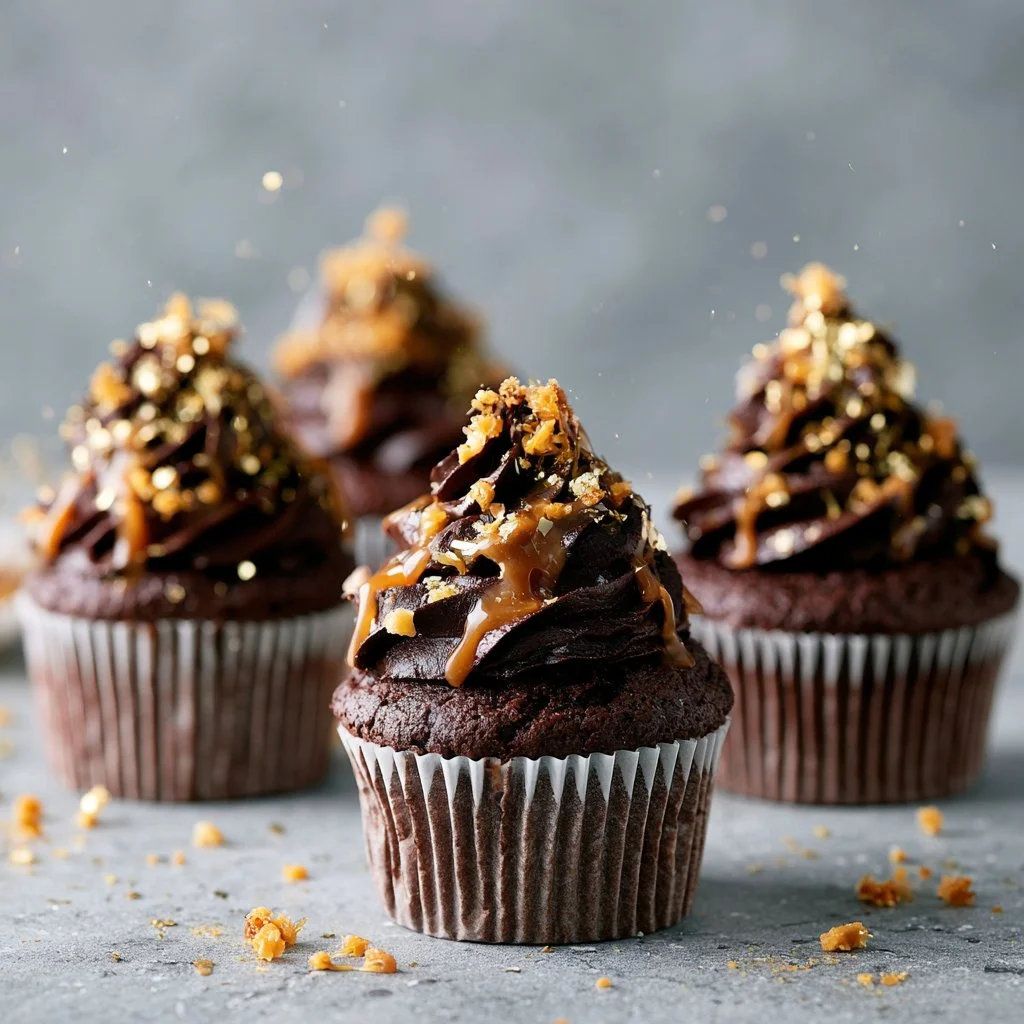
When it comes to parties, this Mascarpone Frosting is your dress-up-and-go-anywhere friend. For berry-themed desserts, fold in 2–3 tablespoons of very thick berry puree (raspberry or strawberry) right at the end, mixing gently so the frosting doesn’t deflate—perfect for topping simple vanilla cupcakes or a classic sponge. For a lemon brunch cake, add 1–2 teaspoons of finely grated lemon zest and a small squeeze of juice; it brightens the mascarpone without making it runny. If you’re planning something cozy, like a spice cake or carrot cupcakes (or even a tiramisu-inspired dessert), add a teaspoon of espresso powder or a splash of coffee liqueur for a grown-up twist. For kids’ birthdays, you can tint the frosting with gel food coloring and pipe tall swirls that hold beautifully, then pair it with funfetti or chocolate cupcakes for an easy bakery-style look.
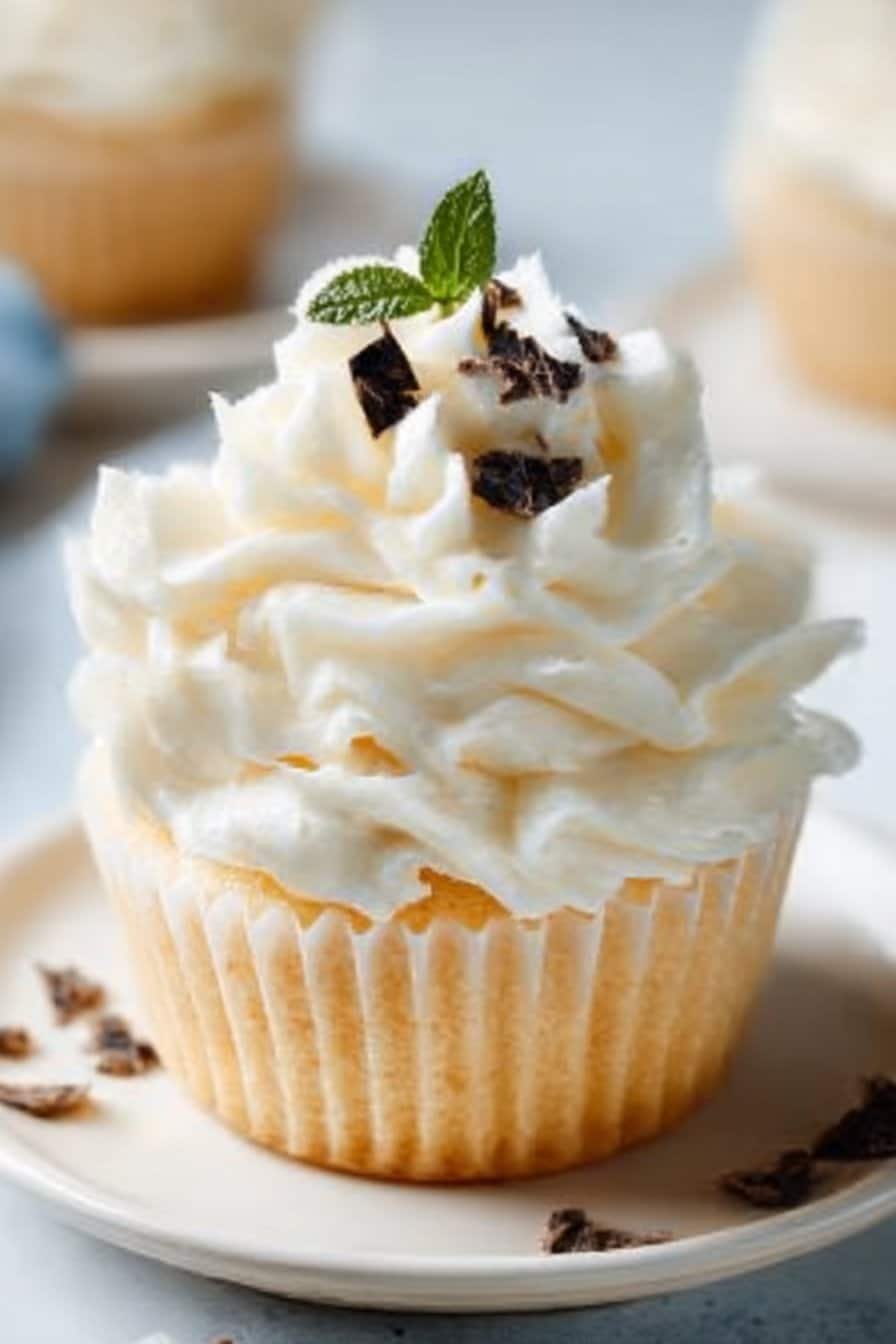
Serving of Mascarpone Frosting
Conclusion
Every time I whip up this frosting, I’m reminded that the sweetest moments usually happen in the simplest ways—like a quiet afternoon spent icing cupcakes with someone you love, or a late-night slice of cake eaten over good conversation at the kitchen counter. A bowl, a whisk, a little cream, and suddenly you’ve got something that feels special enough for birthdays, holidays, and all the in-between days that deserve a little extra joy.
I hope this Mascarpone Frosting becomes one of those “house favorites” you reach for when you want dessert to feel just a bit more magical, whether you’re topping a rustic sheet cake, layering a celebration dessert, or spooning a little onto fresh berries. Take this as your invitation to get in the kitchen, try the recipe, and share it with your people—because when dessert shows up, somehow everyone finds their way to the table.
For more delicious recipes like this, follow us on social media!
What is mascarpone frosting and how does it taste?
Mascarpone frosting is a light, creamy topping made from cold mascarpone cheese, heavy cream, confectioner’s sugar, and vanilla. It tastes rich and velvety, but not overly sweet, with a subtle dairy flavor that feels almost like whipped cream’s elegant cousin. The texture is smooth, fluffy, and stable enough to pipe onto cupcakes or swirl over cakes. Because it has less tang than cream cheese frosting, it pairs beautifully with delicate sponge cakes and fruit.
Can I make mascarpone frosting ahead and how should I store it?
You can make mascarpone frosting up to 1 day ahead, but it’s at its fluffiest right after whipping. If you prepare it in advance, store it in an airtight container in the refrigerator. When you’re ready to use it, give it a gentle re-whip on low speed just until it looks smooth and fluffy again. Avoid over-whipping at this stage so you don’t turn it grainy or too stiff.
Why did my mascarpone frosting turn grainy or soupy?
Grainy mascarpone frosting usually means it was over-whipped, and the fat started to separate. Stop the mixer as soon as you see stiff peaks and the frosting looks thick and billowy. If it does turn slightly grainy, add a small splash of very cold heavy cream and mix on low just until it smooths out. If the mascarpone was too warm or you whipped a long time on high, the frosting can also look soupy, in which case chilling the bowl for 10–15 minutes before re-whipping can help.
Recipe
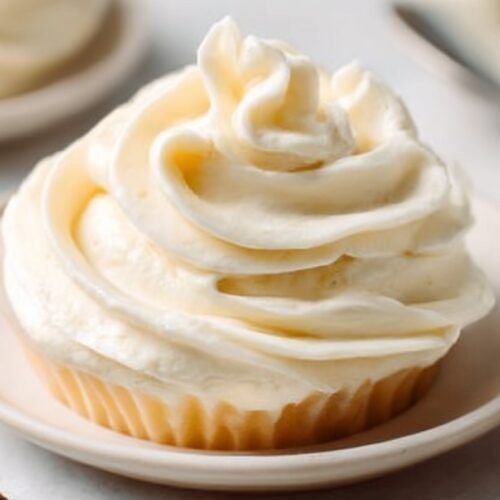
Mascarpone Frosting with Fresh Berries
Ingredients
Ingredients
- 1 cup heavy cream cold
- 4.5 oz mascarpone cheese cold
- 1/2 cup confectioners’ sugar sifted
- 1 tsp vanilla bean paste
- 1 1/2 cups mixed fresh berries such as strawberries, raspberries, blueberries, or blackberries, patted dry
Instructions
- Place the cold heavy cream, cold mascarpone cheese, sifted confectioners’ sugar, and vanilla bean paste into the bowl of a stand mixer or a large mixing bowl.
- Begin whipping on low speed for 20–30 seconds until the ingredients start to combine.
- Increase the speed to high and whip for 3–5 minutes, or until the frosting becomes thick, glossy, and holds stiff peaks that stand up without drooping.
- Stop mixing immediately once stiff peaks form to avoid overwhipping and a grainy texture.
- If the frosting becomes slightly grainy, add 1–2 tablespoons of very cold cream and mix on low speed just until smooth again.
- Use the mascarpone frosting right away to frost cupcakes, fill or frost a 6-inch layer cake, or spread over a cooled cake.
- Arrange the fresh berries on top of the freshly piped or spread mascarpone frosting just before serving, pressing them gently so they adhere without sinking.
Notes
- Pat berries dry with a paper towel before placing them on the frosting so they do not weep and soften the topping.
- Store frosted desserts in the refrigerator and let them sit at room temperature for 15–20 minutes before serving for the best texture.
- You can make the frosting up to 1 day ahead; refrigerate covered and briefly whisk on low or stir by hand before using.